Physical Address
304 North Cardinal St.
Dorchester Center, MA 02124
Physical Address
304 North Cardinal St.
Dorchester Center, MA 02124

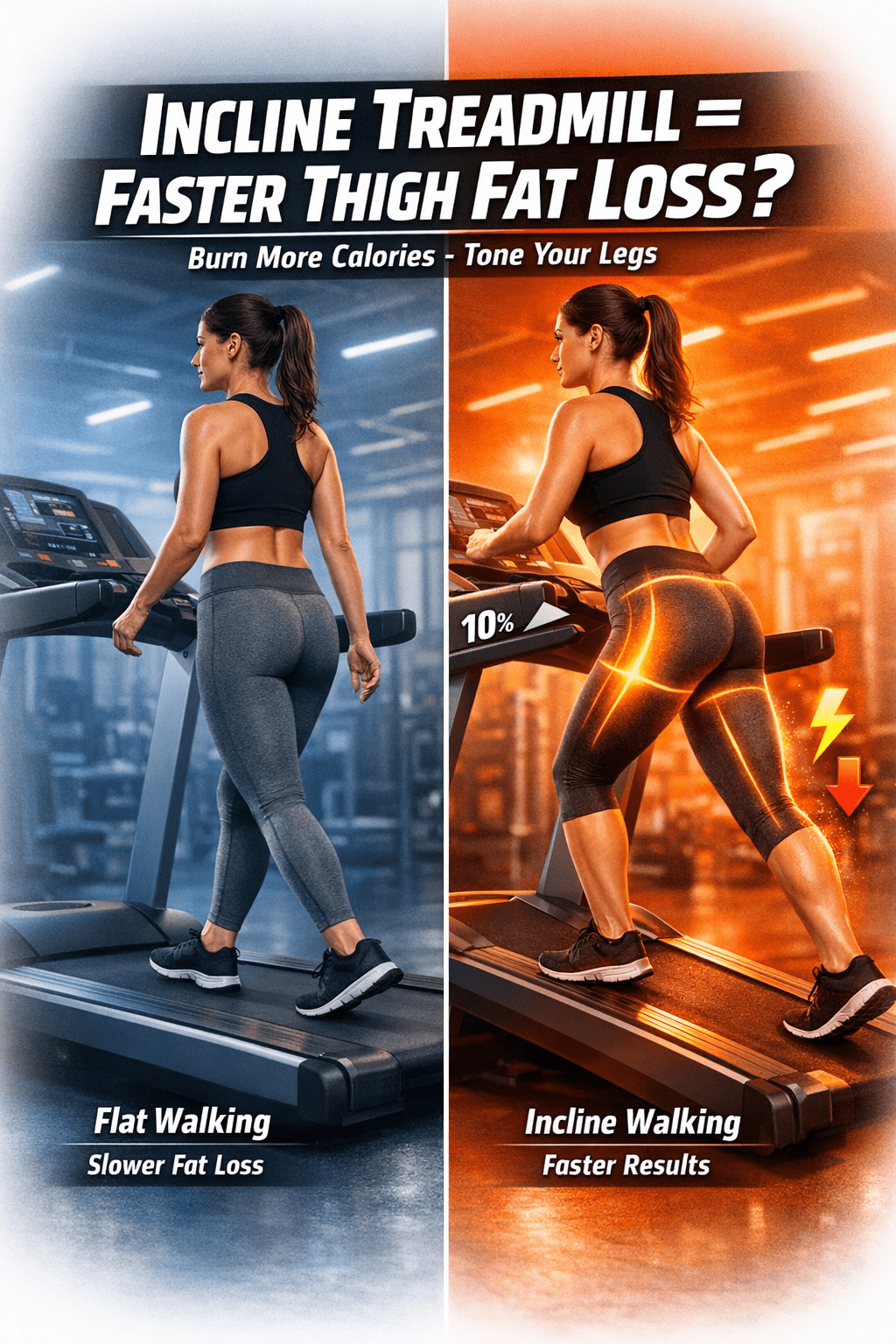

Incline treadmill walking burns a lot more calories than flat walking and really works your thigh muscles. But just to be clear-there’s no way to just burn fat from your thighs alone. Fat loss happens all over your body when you’re in a calorie deficit. The good news? Walking on an incline fires up your biggest muscle groups and cranks up your overall calorie burn, which means you’ll see fat loss and more muscle definition in your lower body faster than if you just walked on a flat surface.
In this article, I’m going to look at incline treadmill training from a fitness systems architecture angle. I’ll walk you through the best protocols, evidence-backed routines and the gear that actually matters. If you want clear, numbers-driven guidance on how to build an efficient treadmill fat loss plan, you’ll find it here-along with tested workouts and smart equipment choices. Let’s get started.
As a fitness systems architect, I build programs rooted in biology and real physiology, not popular myths. If there’s one thing everyone needs to get straight, it’s how fat loss actually works.
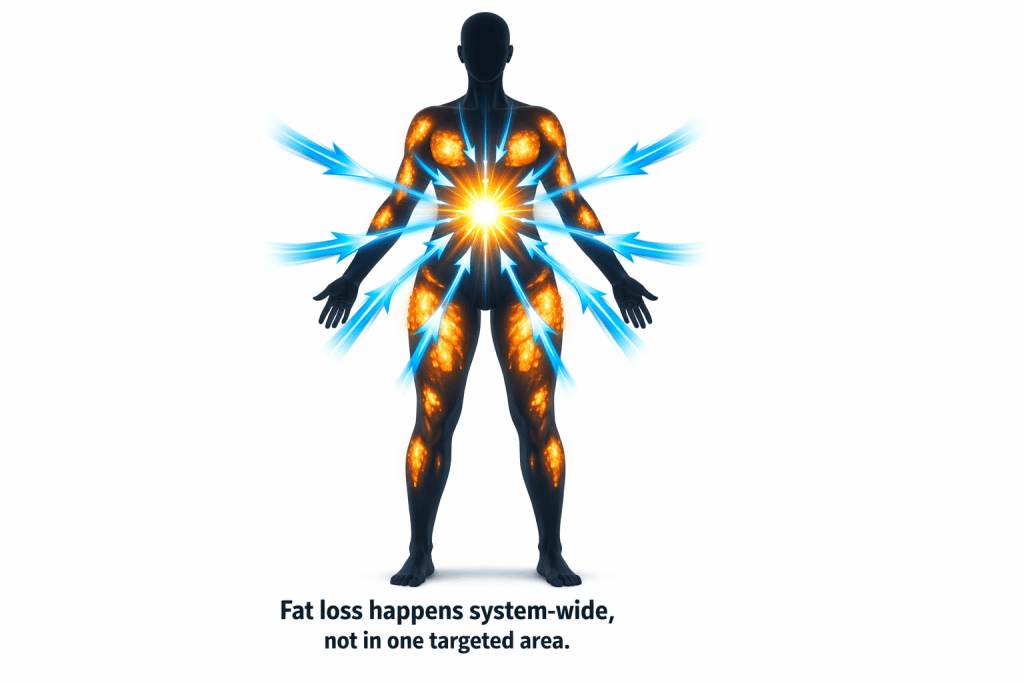
You hear it everywhere-“Lose thigh fat fast with these moves!”-but that’s just spot reduction and it’s flat-out wrong. Your body doesn’t selectively burn fat from one area just because you target it with exercise. When you’re in a calorie deficit-meaning you burn more calories than you take in-your body draws on fat stores from all over, not just one stubborn spot. Where the fat comes off first? That depends on your genetics and hormones, not the exercises you do.
Plenty of peer-reviewed research backs this up. One important study in the Journal of Strength and Conditioning Research asked people to do a 12-week program focused on ab exercises. Sure, they got better at sit-ups, but they didn’t lose any belly fat compared to folks who didn’t do the program. The reason? Your body doesn’t just burn the fat near the muscles you’re using. Instead, it pulls from your total fat stores.
So, no matter how many incline walks, leg lifts or other thigh-toning moves you do, you won’t just shed fat from your thighs. If you want slimmer thighs, you need to focus on burning more energy than you take in overall-there’s really no shortcut.
If you want slimmer thighs, you really need to do two things at once.
First, you’ve got to lower your overall body fat. That happens when you eat fewer calories than you burn. Diet matters most here, but cardio-like walking on an incline-gives your results a real boost.
Second, you need to wake up and strengthen the muscles in your thighs (the quads, hamstrings and glutes). You don’t even have to bulk up a lot. Just building some lean muscle makes your legs look tighter and more defined, so they seem slimmer, even if you haven’t dropped all your body fat yet.
Honestly, incline treadmill walking can hit both these areas at the same time. You’ll burn more calories and work your leg muscles harder, which makes it a great move if you’re aiming for leaner, more sculpted legs.
From an engineering perspective, cranking up the incline on a treadmill changes everything about how your body handles the workout. Suddenly, you’re not just moving forward-you’re working against gravity, and that ramps up the physical and metabolic effort.
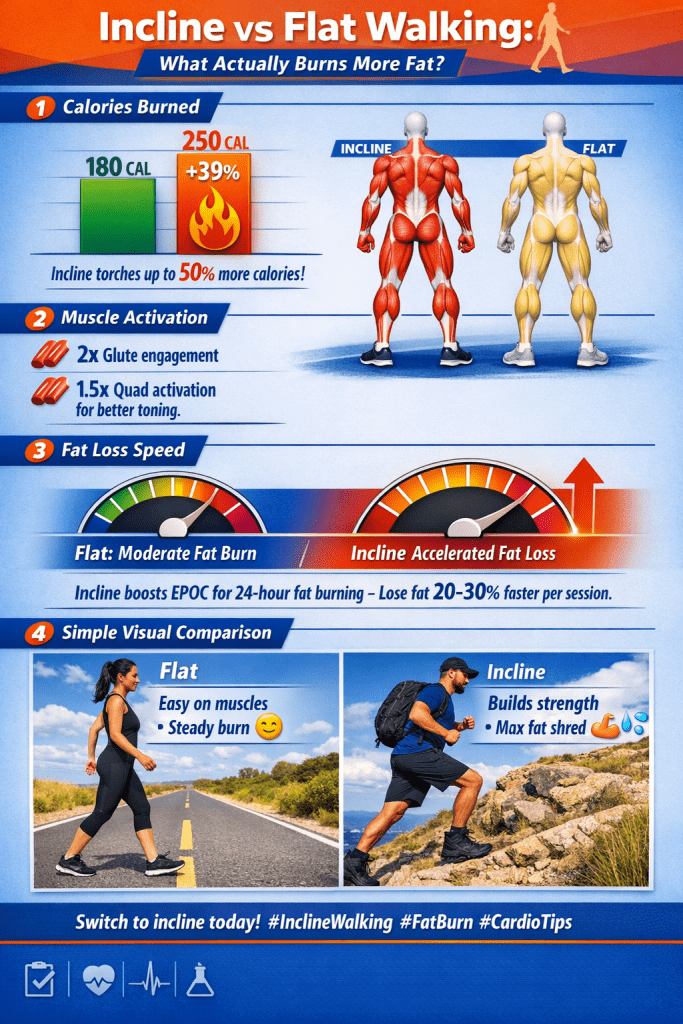
Burning fat comes down to using up energy, plain and simple. Walking uphill on a treadmill torches way more calories than just cruising on a flat belt. This isn’t just a guess-there’s hard data behind it.
A study in PubMed Central looked at exactly this and found that, at a 10% incline, people burned about 113% more energy compared to walking flat, at the same speed. That’s not just a small bump-that’s doubling your effort.
Healthline highlights similar findings. If you walk at 2 mph on a 16% incline, you’re burning almost 23% more calories than on level ground. Jump up to 3 mph at that same incline and the calorie burn shoots up by over 44%.
All this extra burn means you create a bigger calorie deficit. Your body then digs into stored fat for fuel, which leads to overall fat loss-including your thighs.
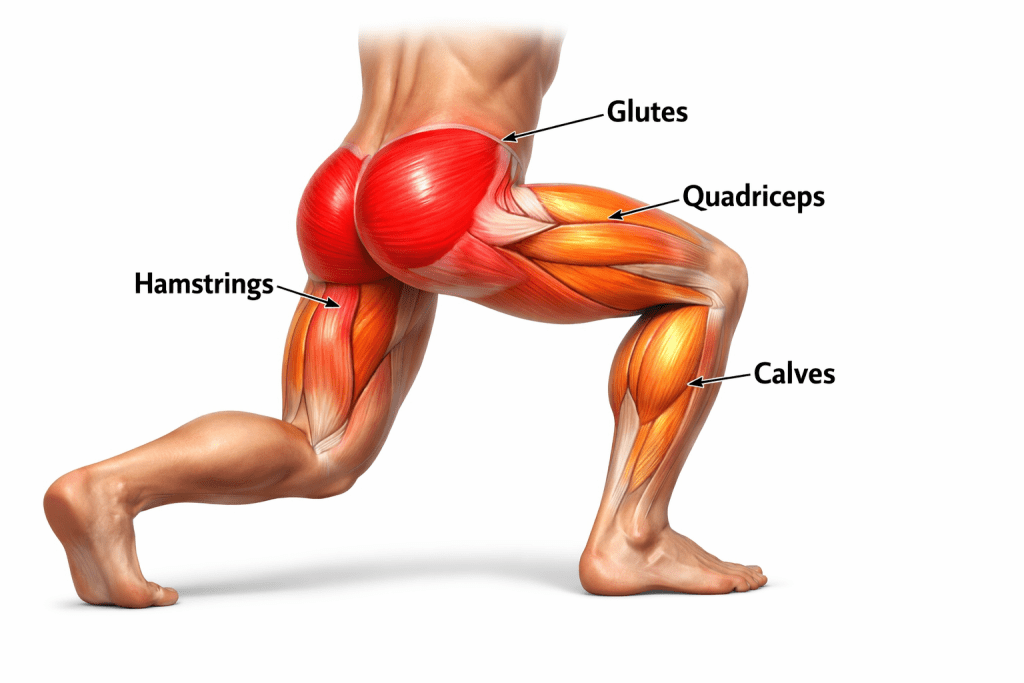
DirectlyYou can’t pick exactly where you lose fat, but you can focus on building certain muscles. Walking uphill really forces your lower body to work harder. Here’s how it breaks down:
Your glutes take the lead, powering you up each step. The quads come in strong, extending your knees and keeping your legs steady. Hamstrings jump in too, helping the glutes move your leg back and controlling how your legs swing. And your calves? They’re the ones pushing you off with every stride.
All this extra effort does two big things: you burn more calories while you’re moving and you strengthen and shape those key muscles. As your body fat drops, your legs and glutes start to look firmer and more defined.
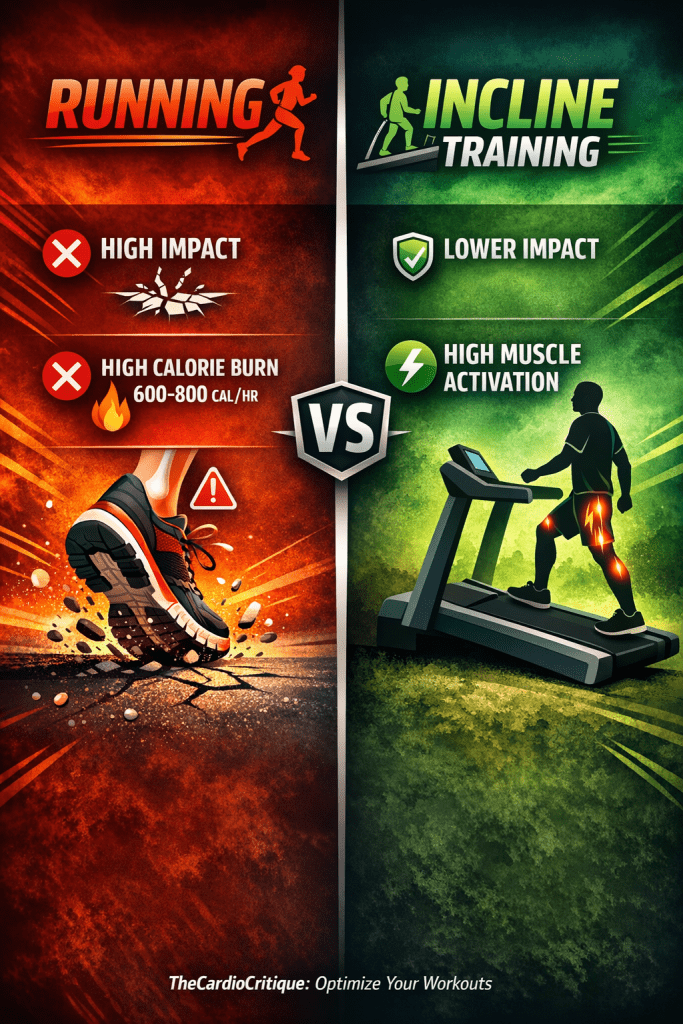
Running burns a lot of calories, but it really pounds your knees, hips and ankles. Walking on an incline hits your heart and metabolism just as hard, but without all that impact. It’s easier on your joints, which means just about anyone can stick with it-whether you’re new to working out or an athlete coming back from an injury. You still get great results, but your body doesn’t end up paying the price.
If you’re just getting started with treadmill workouts, check out our guide on best treadmills under $500 for beginners to find a machine that fits your routine and goals.As a systems architect, I specify equipment based on the precise performance criteria required for the desired outcome. For effective thigh slimming and fat loss, a treadmill must have a robust motor, a sufficient incline range, stability and a deck suited for elongated strides.
| Model | Est. Price | 🏃 Motor / Incline | ⚖️ Capacity | Max Speed | Deck Size | Folding? | Why It’s Recommended |
|---|---|---|---|---|---|---|---|
| NordicTrack Commercial 1750 | ~$2,000 | 3.5 HP • 12% incline / -3% decline | 300 lbs | 0–12 MPH | 20″ x 60″ | Yes | Industry gold standard. The motor handles sustained incline work easily, and the 12% grade is ideal for fat loss. iFit auto-adjusts workouts. |
| ProForm Carbon TLX (Garage Gym Reviews) | ~$1,000 | 3.0 CHP • 12% incline | 300 lbs | 0–12 MPH | 20″ x 55″ | Yes | Best value option. Delivers full incline capability with a solid motor in a compact, foldable design. |
| Horizon 7.0 AT (Garage Gym Reviews) | ~$1,300 | 3.0 CHP • up to 15% incline | 325 lbs | 0.5–12 MPH | 20″ x 60″ | Yes | Great for progressive overload. Higher incline range and strong motor make it ideal for consistent high-intensity incline training. |
| NordicTrack X22i (Garage Gym Reviews) | ~$3,999 | 4.0 CHP • -6% to 40% incline | 400 lbs | 0–12 MPH | 22″ x 60″ | No | Built for advanced users. The 40% incline and decline feature allow unmatched glute and hamstring targeting. |
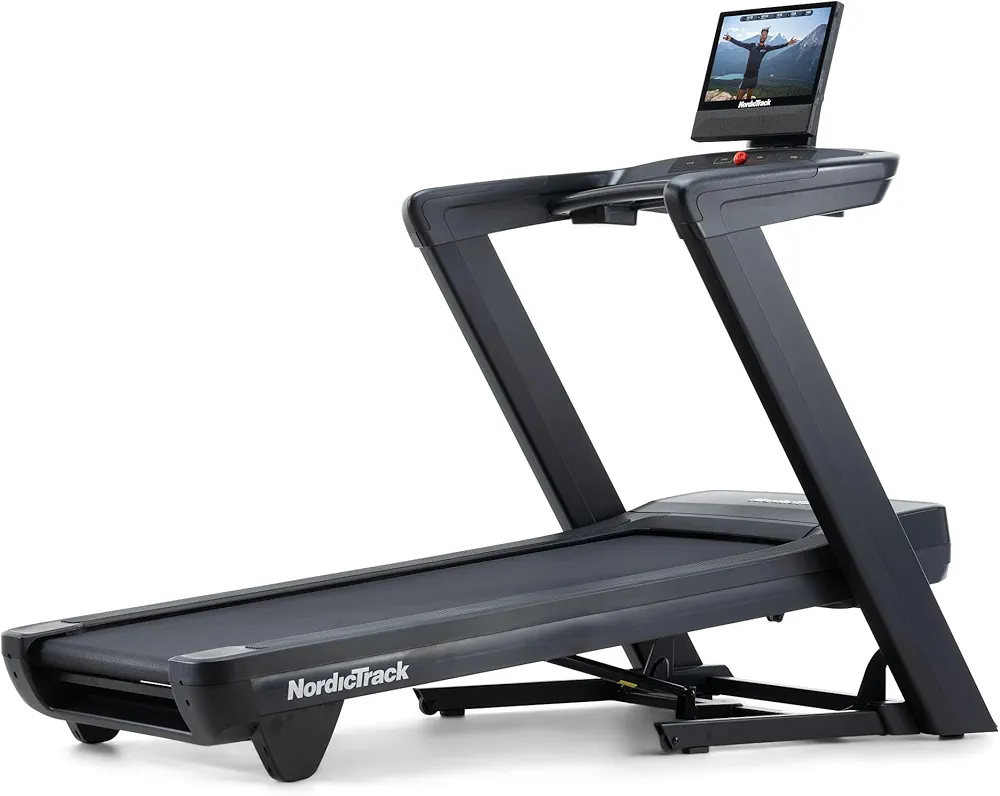
A strong choice if your goal is consistent fat loss. The incline and slight decline options help you burn more calories while targeting different lower-body muscles. It’s reliable for longer sessions and structured workouts, making it ideal for staying in a steady calorie deficit.
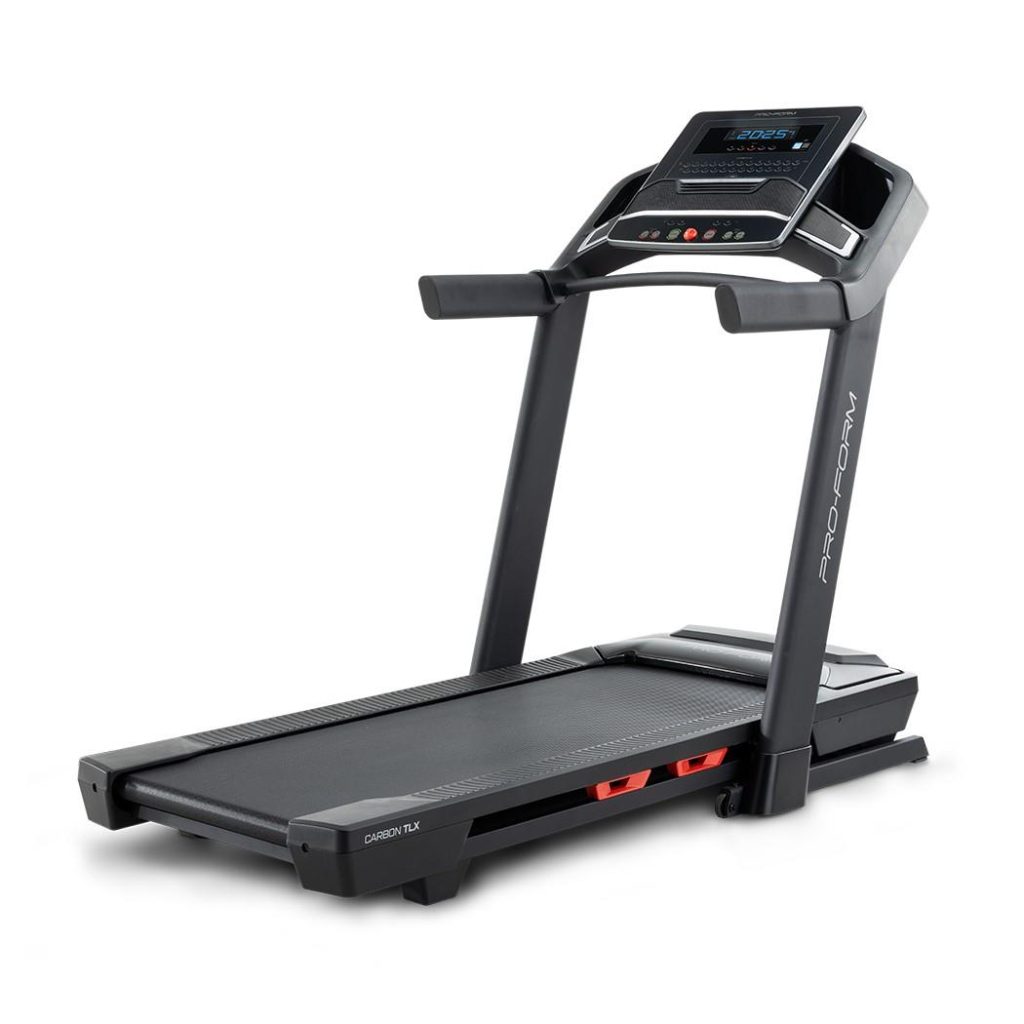
Simple, affordable and easy to use. This treadmill gives you everything you need to start incline walking without overcomplicating things. If you’re just getting into fitness or building a routine, this is a practical entry point.
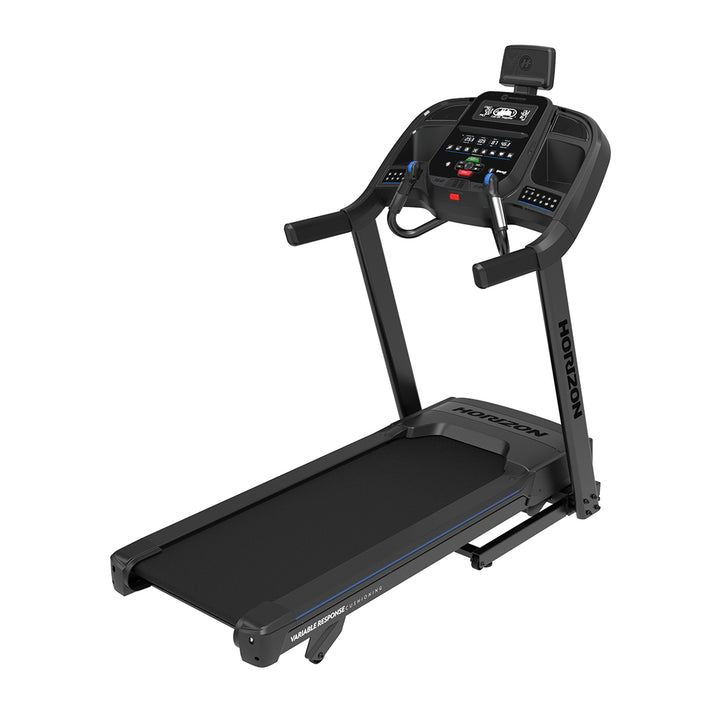
A good fit if you’ve moved past beginner level and want to keep improving. The higher incline range lets you gradually increase intensity and the motor holds up well during tougher workouts. Solid option for building endurance and strength over time.
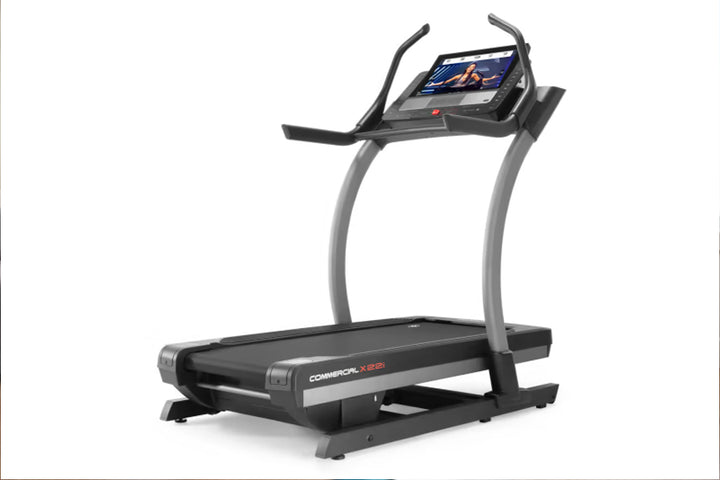
Built for serious intensity. The extreme incline range pushes your glutes and hamstrings much harder than standard treadmills. If you’re experienced and want more demanding, high-effort sessions, this is where you go next.
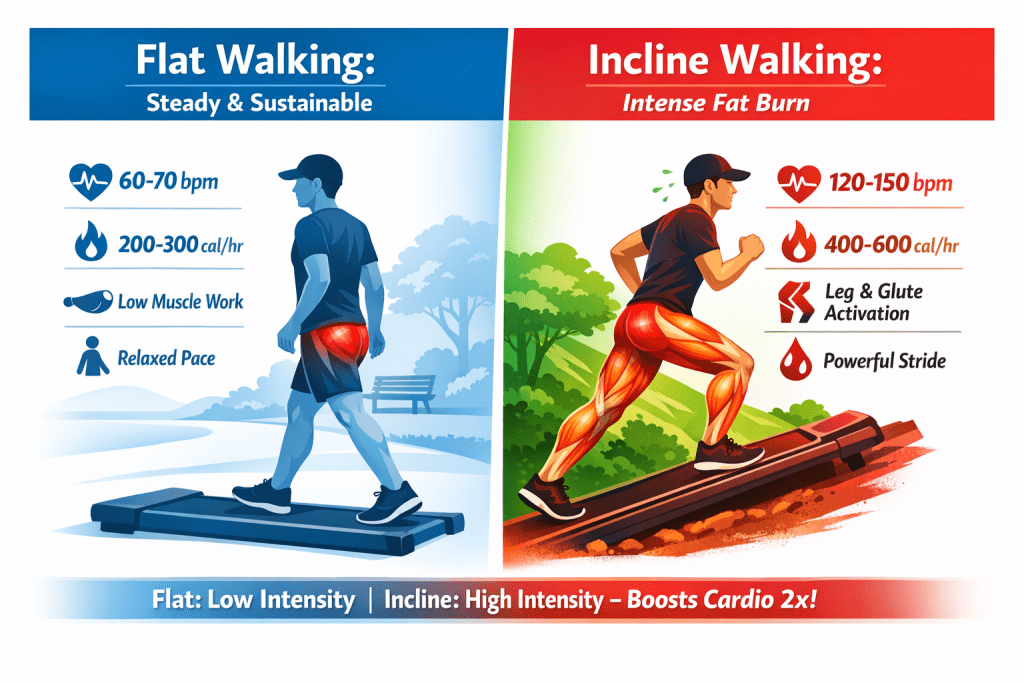
This table breaks down the key performance indicators (KPIs) for both modalities, allowing you to make a data-driven decision.
| Factor | Flat Walking | Incline Walking |
|---|---|---|
| Caloric Burn | 🔻 Lower | ✅ Higher (Up to 2× more at steep grades) |
| Thigh & Glute Activation | 🔻 Moderate | 🔥 High (Targeted muscle engagement) |
| Fat Loss Speed | 🐢 Slower (Lower calorie deficit) | ⚡ Faster (Larger calorie deficit) |
| Perceived Difficulty | 🙂 Easy | 💪 Moderate to High |
If you want to get real results, you’ve got to set things up right from the start. That means dialing in the right incline, speed and workout structure for your treadmill sessions.
Knowing the right incline, speed and workout duration is only half the equation. Tracking each session helps you see what’s actually working and stay consistent over time.
If you want an easier way to log your treadmill workouts, check out the Treadmill Tracker Google Sheets Template. You can record your workout details, monitor your progress and build a more consistent treadmill routine without complicated apps or subscriptions.
Track Your Treadmill Workouts With the Treadmill Tracker →Use it alongside the incline workouts below to keep a simple record of your sessions and progress.
Estimate session calorie burn and projected weekly fat loss using the ACSM walking equation — the same MET-based model used to spec treadmill workouts, not a flat-rate guess.
Just starting out? Keep the incline around 3-5%. Don’t worry about pushing too hard-focus on getting your form solid and building a habit.
If your main goal is to lose fat or tone up, bump that incline up a bit. Shoot for 5-12%. This range really ups your calorie burn and gets your muscles working harder.
Already in great shape? Crank the incline to 12-15% or as high as your treadmill allows. You’ll feel the difference in muscle activation and how hard your heart works.
Incline does most of the heavy lifting, so speed takes a back seat. Set your pace where it feels like a strong walk-something between 3.5 and 4.5 mph (5.6 to 7.2 km/h) for most people. You should be able to say a few words, but if you can recite your whole grocery list, you’re going too easy.
Go for 20-45 minutes each session, and try to hit 3-5 workouts per week. Sticking with it is what matters most. Honestly, a longer, steadier walk at a moderate incline beats a short, crazy-steep session for most people. Make it something you can keep coming back to. That’s where the progress lives.
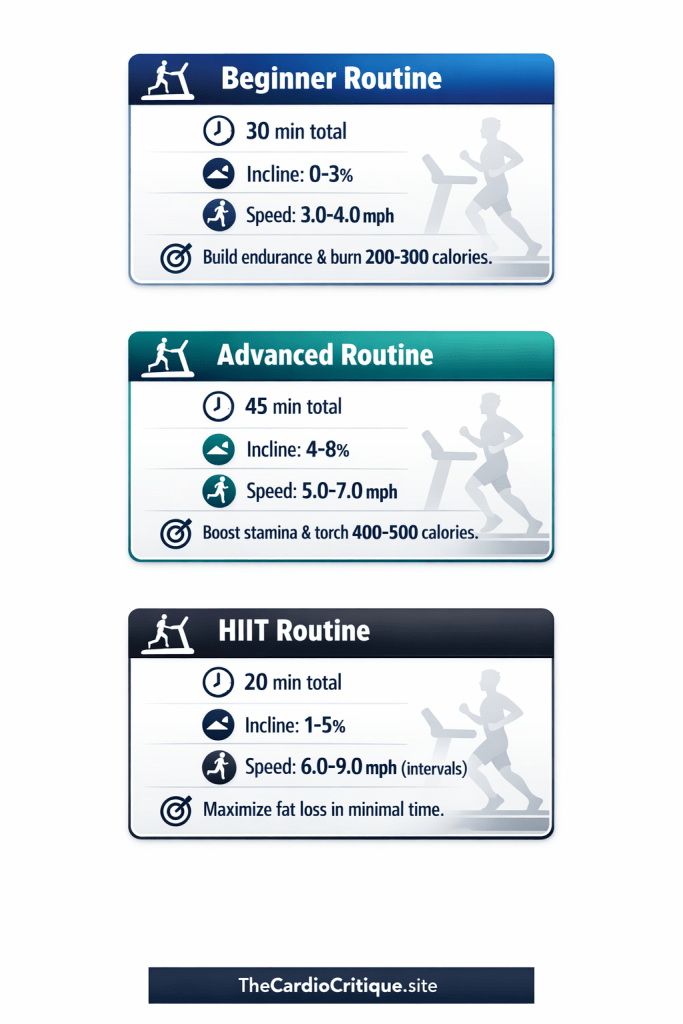
Here are three simple, data-backed routines you can plug into your fitness plan:
Objective: Get your endurance up and add some incline. Start with a 5-minute warm-up at 0% incline, steady pace at 3.0 mph. Then, jump into the main part: 20 minutes at a 5% incline, 3.5 mph. Make those steps full, really push with your glutes. Finish up with a quick 5-minute cool-down, back to 0% incline and 3.0 mph. Do this three times a week.
Objective: Burn a ton of calories and really work those muscles. Start with 5 minutes to warm up at 0% incline and 3.5 mph. Next, go big: 25 minutes at 10-12% incline, 4.0 mph. It’s tough-grab the rails only if you really need them for balance. Cool down for 5 minutes at 0% incline, 3.0 mph. Aim for four sessions per week.
Objective: Fire up your metabolism and get the after-burn effect. Begin with a 5-minute warm-up at 0% incline, 3.5 mph. For the main set, repeat this five times: sprint 1 minute at 8% incline, 4.5 mph, then recover for 2 minutes at 4% incline, 3.8 mph. Finish with a 5-minute cool-down at 0% incline, 3.0 mph. Do this two or three times weekly, but never on back-to-back days.
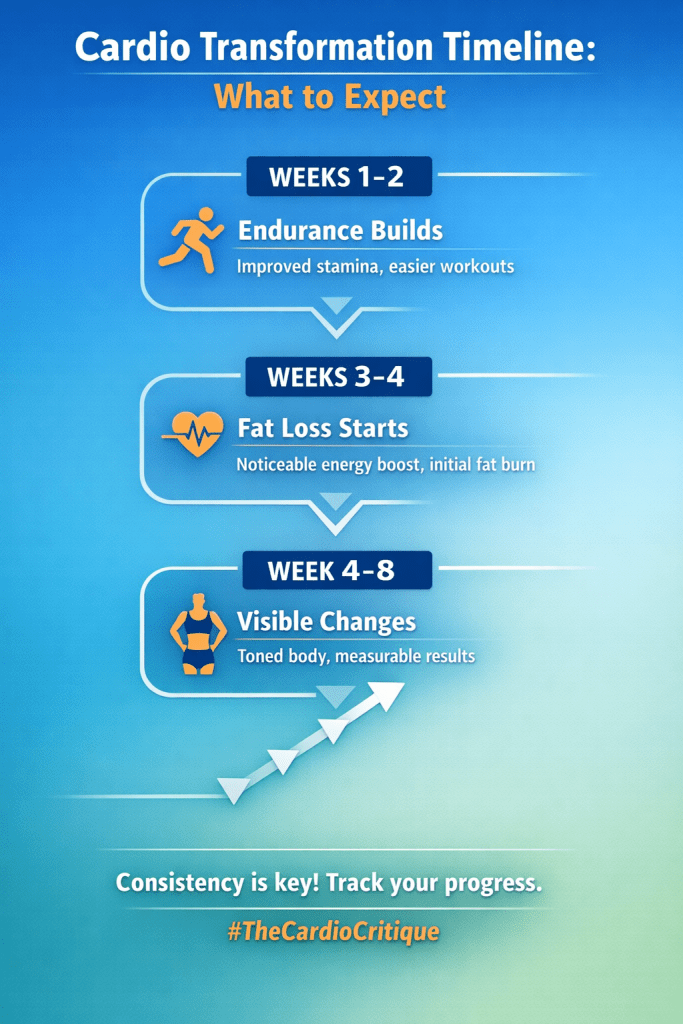
Managing expectations is a big part of designing any system. If you stick to the plan above and pay attention to your diet, here’s what you can actually expect:
• In the first couple of weeks, you’ll probably feel stronger and notice better muscle tone. Your weight might bounce around a bit, usually because of water changes.
• By weeks three and four, your stamina picks up. Clothes might start to fit a little differently and you can actually measure some early fat loss.
• From weeks four to eight, you’ll likely see real changes-more definition in your thighs and a leaner overall look. As long as you keep a calorie deficit, steady weight loss should show up.
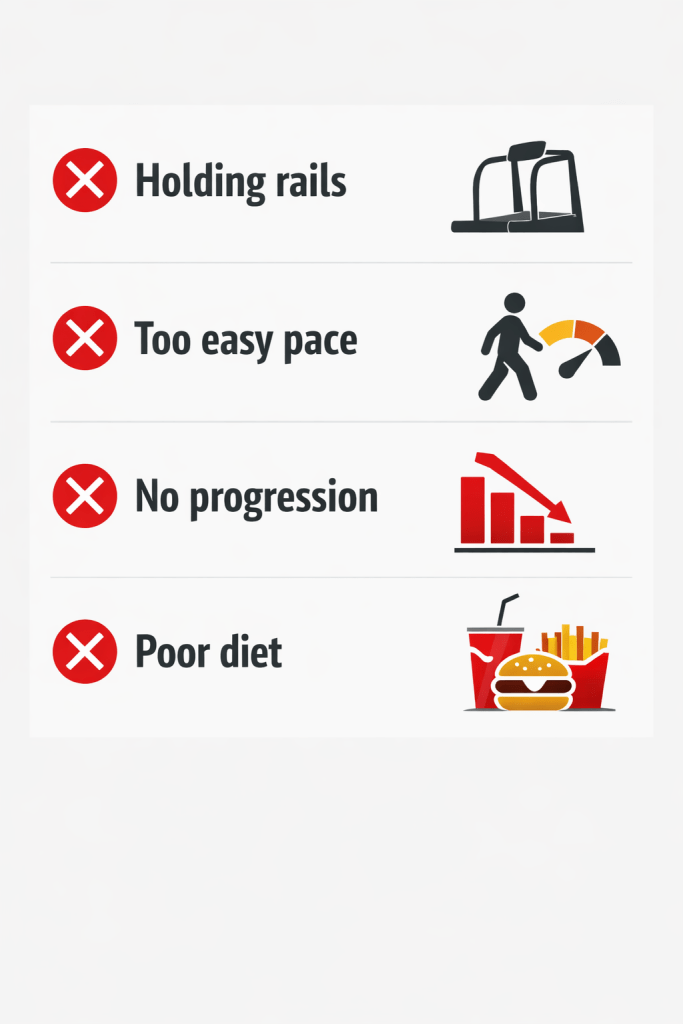
Grabbing the handrails the whole time? That’s not helping. It takes the work away from your legs and burns fewer calories. Hold on just for balance if you need it, but let your body do the work.
If you never change up the incline or speed, you’re going to hit a wall. Your body gets used to the same routine fast. Push yourself a bit-raise the incline, speed up or walk a little longer every week or two.
Diet matters, period. Walking can’t undo a steady stream of junk food. If losing weight is your goal, you need that calorie deficit.
Jumping to a crazy steep incline right away does more harm than good. You’ll screw up your form, wear yourself out and honestly, you’ll want to quit. Take it slow and build up over time. That’s how you actually make progress.
If you want a well-rounded workout, pair cardio with strength training. Cardio on an incline helps burn fat, but it’s the strength exercises that really define your muscles.
Add compound moves like squats, lunges and step-ups into your routine two or three times a week. These target all the big muscles in your lower body. More muscle means a higher resting metabolism, so you’ll keep burning fat all day-whether you’re working out or just going about your day.
Running burns more calories in less time than incline walking and does wonders for your heart. But it’s tough on your joints and you’ll probably feel it most in your quads. Incline walking, on the other hand, really targets your glutes and hamstrings and is much gentler on your body. If you want to tone your thighs and hips without putting too much stress on your joints, incline walking is usually the better choice. Still, the best approach often combines both-mixing running and incline walking in your routine keeps your workouts balanced and effective.
Does incline walking slim your thighs?
Yes, but it takes time. Walking on an incline helps you burn calories overall, which is what leads to fat loss everywhere-including your thighs. At the same time, you’re working your quads, hamstrings and glutes, so those muscles get firmer and your legs start to look more sculpted
What’s the best treadmill incline for burning thigh fat?
Honestly, there’s no single incline that magically targets thigh fat. But if you want to get the most out of your workout, aim for an incline somewhere between 5% and 12%. That range boosts calorie burn and works your lower body muscles pretty hard.
Is the 12-3-30 workout good for losing thigh fat?
The 12-3-30 workout (walking at 12% incline, 3 mph, for 30 minutes) is super popular for a reason. It checks all the boxes: high incline, steady pace, good duration. Stick with it and you’ll create a solid calorie deficit while giving your thigh and glute muscles a real workout-all of which helps slim your legs.
How long should you walk on an incline to lose thigh fat?
Try walking on an incline for 20 to 45 minutes, three to five days a week. You don’t need to do it every day-in fact, skipping days helps prevent overuse injuries. Just focus on being consistent week after week. That’s what makes the difference.
Can you lose thigh fat without running?
Definitely. Running isn’t required. Incline walking is low impact but still works your legs hard and burns plenty of calories. For a lot of people, it’s actually the better option for toning thighs without the pounding that comes with running.
Should you hold onto the rails during high incline walking?
Try not to. Gripping the rails means your legs have less work to do, so you won’t burn as many calories or work your muscles as much. Use the rails only for quick balance checks. If you feel like you have to hold on the whole time, the incline’s probably too steep-lower it until you can walk hands-free with a steady arm swing.
If you’re looking to lose fat and tone your legs, incline treadmills are honestly one of the best tools out there. They help you burn more calories and work the key muscles in your lower body-without putting too much strain on everything else.
Now, you can’t just target thigh fat directly (sadly, that myth’s been busted), but walking or running on an incline gets the whole fat-loss process moving faster, which eventually means slimmer thighs. Three things really matter here: sticking to a routine, picking the right speed and incline and making sure your workout fits into a plan that keeps you in a calorie deficit.
If you start thinking about your body as something you can tweak and optimize and follow these real, evidence-based steps, you seriously increase your chances of getting the results you want.


