Physical Address
304 North Cardinal St.
Dorchester Center, MA 02124
Physical Address
304 North Cardinal St.
Dorchester Center, MA 02124

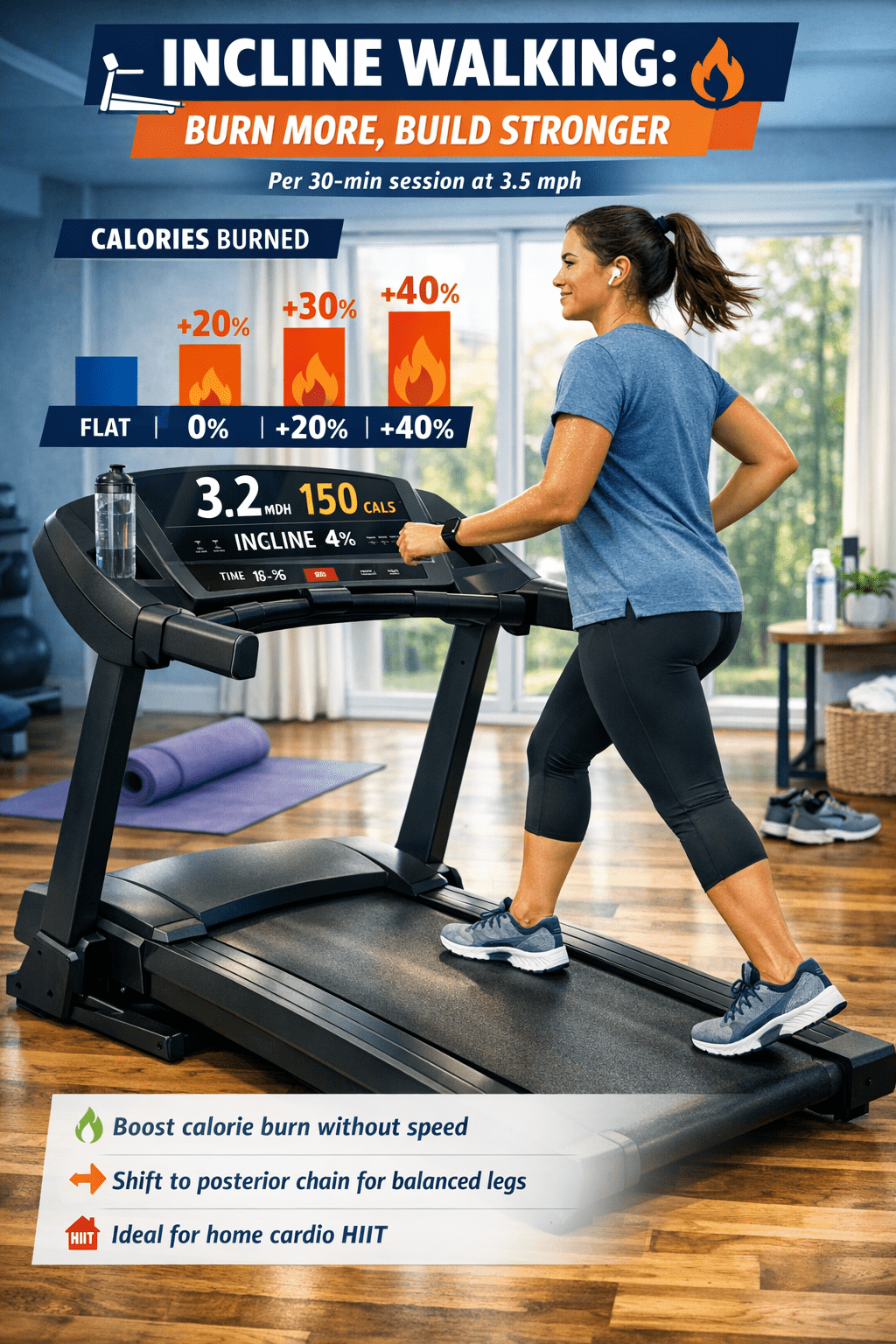

Home workouts have changed a lot lately-and it’s not just about flat treadmills anymore. By 2026, the trend’s shifted: more folks are craving inclined treadmills because they squeeze serious metabolic benefits into a small space. You’re definitely not alone looking for the best incline treadmill for home use. In fact, searches for these have shot up 340% since 2024. Turns out, people are catching on to how incline cardio burns more fat and works your glutes and hamstrings, all without the hard impact of jogging outside.
Let’s be real-when you lift that treadmill deck, you’re not just making your workout tougher, you’re tapping into a whole new kind of muscle activation and calorie burn. And for anyone dealing with limited space or tight budgets, incline treadmills deliver practical results: you can get the job done without sacrificing your living room or hurting your joints. Some solid research backs this up, too. Studies in Biology Insights found that walking at a 12% incline can help you burn 20-40% more calories than strolling on a flat treadmill and it’s way better for hitting all those leg muscles.
This guide cuts through the noise. We’ve gathered data from exercise science, looked over spec sheets from the major brands and dug into thousands of real user reviews. Whether your gym’s in a cozy apartment or you’re filling up a garage, we’ll break down what actually matters-motor power, cushioning and how much space these things take up. Our goal: help you pick the right machine for your goals and your home, without all the jargon or guesswork.
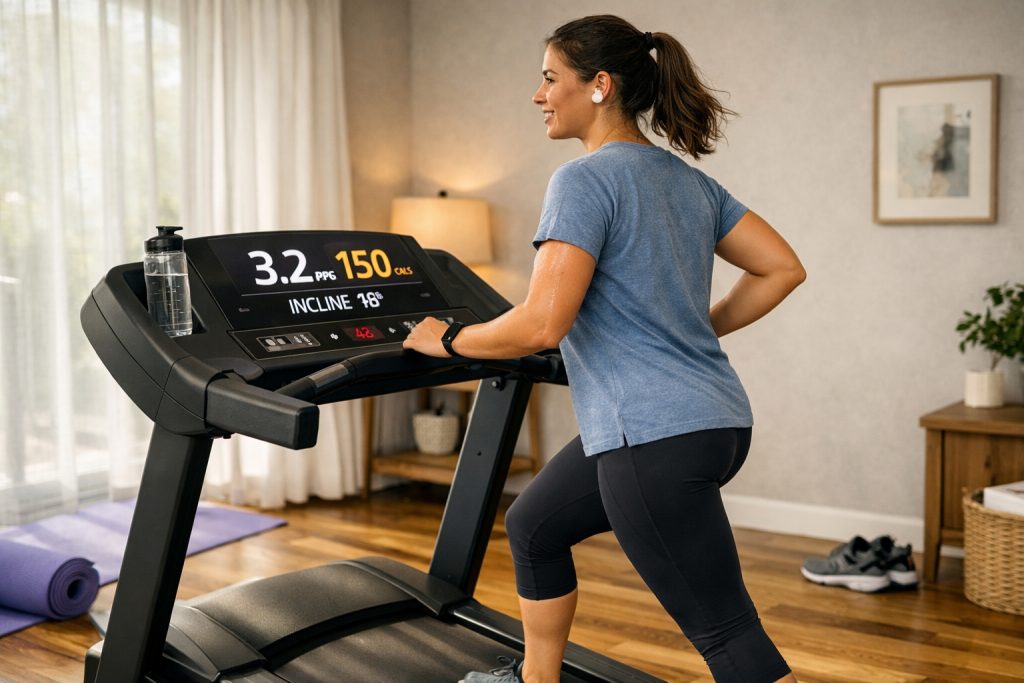
Inclined walking isn’t just a fitness buzzword-it’s basic exercise science. When you actually break down how much energy your body uses (using MET values), the difference between walking flat and walking uphill is surprisingly clear.
Here’s what the data says: bumping the treadmill up to just a 5% incline burns about 20% more calories than walking on level ground. Crank it to 12-15% and now you’re using 40% more energy, all without beating up your joints. The reason? Walking uphill forces your hips and knees to work harder, pulling in those big muscles along the back of your body-your glutes, hamstrings and calves. These muscles don’t really get the same workout on flat ground.
Plenty of research backs this up. Studies show that walking on an incline actually burns more fat than jogging at the same heart rate. It happens because walking uphill fights gravity, so your heart and lungs have to push harder, but your joints take less of a pounding. Biomechanics reviews of treadmill workouts show your posterior chain muscles light up when the incline goes up, too. Electromyography tests even found your glutes work up to 200% harder at a 15% incline compared to flat walking.
There’s one more big bonus: your joints stay happier. Walking uphill reduces the impact on your knees and ankles compared to running, but still gives you a solid cardio workout. So, for anyone who wants to drop some fat, fire up those muscles and keep their knees happy, an incline treadmill is a smart choice. High calorie burn, good muscle work and much less strain-that’s tough to beat.
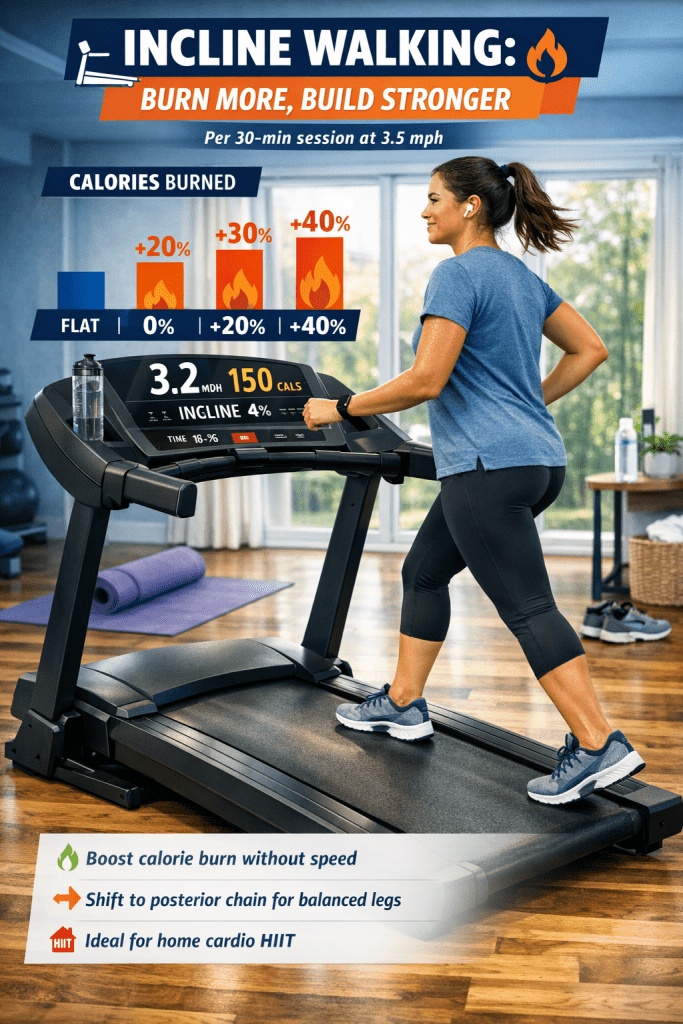
Adding an incline system to your home gym does way more than just boost your calorie burn. Verywell Health points out that regular incline workouts kick off a special afterburn effect, thanks to all the hard work your muscles do on those steep grades. Basically, your body keeps burning extra calories even hours after you finish, all because of that mix of aerobic and anaerobic effort.
If you’re trying to burn fat, incline workouts really help. The combo of intense cardio and muscle work fires up both systems. GQ Fitness says this leads to a higher EPOC-or excess post-exercise oxygen consumption-compared to just walking or running on a flat treadmill. So, you end up burning more calories during your downtime, not just while you’re sweating.
There’s also the muscle-toning angle. Flat treadmills mostly work your quads and hip flexors, but crank up the incline and you’ll feel it in your glutes and hamstrings. This isn’t just about having toned legs, either-stronger muscles in the back of your legs help stabilize your pelvis and take the strain off your lower back when you’re moving around during the day.
Your heart benefits too. The effort needed for inclines feels a lot like hiking or climbing stairs. Research shows those activities boost your VO2 max better than just walking on flat ground. So, if you’re short on time, just 20 minutes on an incline can match the results you’d get from 40 minutes of regular treadmill work.
Finally, there’s the practical upside. Walking on an incline actually matches up with how your body moves in the real world-think climbing stairs, hiking or navigating uneven sidewalks. You’re training for real life, not just running in place. Flat treadmills can’t do that.
Choosing the right incline treadmill comes down to matching its features with how you train and the space you have-not just reading a bunch of specs. Here’s what really matters when you’re picking one out:
Look at how the treadmill raises the deck. Cheaper models make you change the incline by hand-usually between 0-10%. This means you have to stop your workout just to adjust it. Higher-end treadmills do this automatically. Home versions go up to 12% incline, while specialty models climb as steep as 40%. If you’re into high-intensity workouts (HIIT), you absolutely want automatic incline control and a motor that shifts angles fast-ideally, transitions take less than three seconds.
If you’re mostly walking, go for at least 2.0 CHP (Continuous Horsepower). If you’ll be running, especially with high inclines, get 3.0 CHP or more. Don’t pay attention to “Peak HP”-it won’t keep up with long, tough workouts. Focus on CHP, because that’s what keeps the belt running strong during those 30-minute incline climbs.
Don’t go too short here. Walking needs a deck that’s at least 55 inches long and 20 inches wide. Runners really need 60 inches by 22 inches. Compact or foldable models usually have shorter decks (some just 50 inches), which messes with your stride and makes sprints tough.
The best treadmills use special cushioning-think variable-density elastomers or polymer suspension systems. These cut down the impact on your joints by 15-40% compared to running outside. Better models even offer different firmness zones: firmer where you push off, softer where you land.
You want a treadmill that can handle at least 300 pounds so it’s safe even at steep inclines. Wider frames (over 35 inches) keep the machine from wobbling. Also, welded-steel frames beat bolt-together ones-those tend to come loose over time.
Want a smarter workout? Look for Bluetooth, chest strap heart rate compatibility (those are way more accurate than handle grips), and built-in apps like iFit, Peloton or other platforms. These features help you track progress and stick with your program.
Got a small space? Hydraulic folding treadmills shrink down your footprint by 60-70%. Just make sure you measure the area-including at least six feet behind and two feet on each side for safety. Some models stand upright and only need three or four square feet when stowed.Pick based on what you’ll actually use, not just what sounds impressive on the box.
Here’s how we picked our favorites: We checked out motor torque curves from Runner’s World labs, pulled in durability testing from Good Housekeeping and looked at biomechanics validation from Livescience. The idea? To find treadmills that actually hold up in real homes, with real people using them.
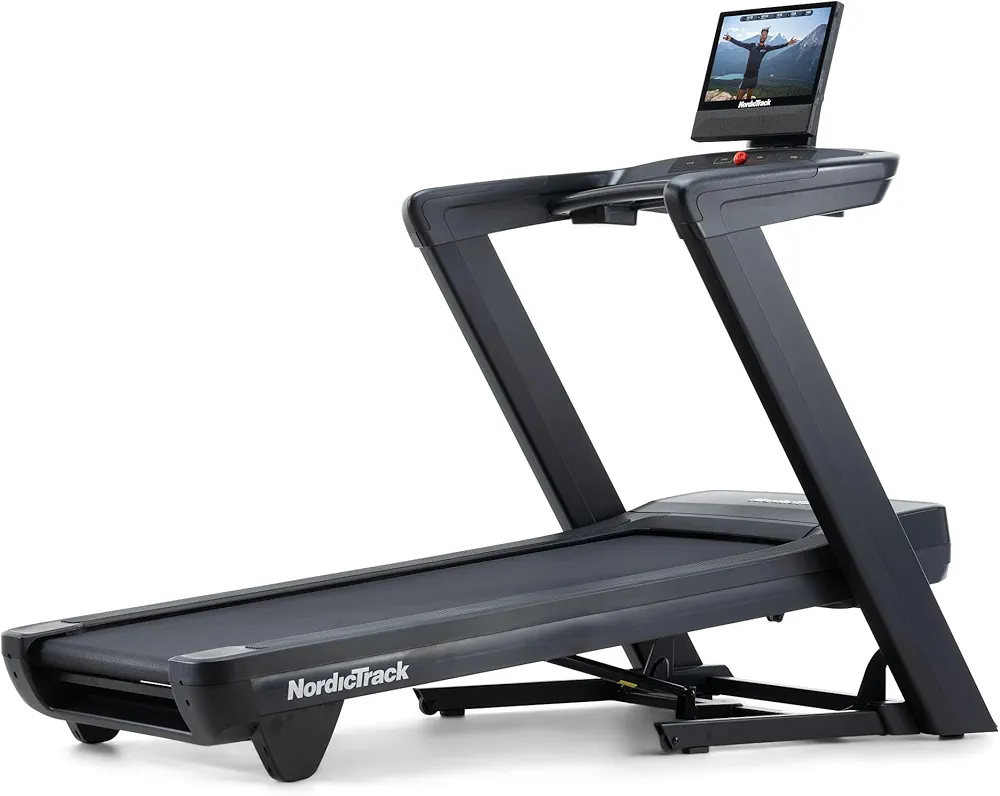
The NordicTrack Commercial 1750 Treadmill nails that sweet spot between power, comfort and real-life usability at home. The 4.25 CHP DurX Commercial Plus motor doesn’t flinch-whether you’re walking, cranking out long runs or blasting through intervals, it stays steady and smooth, even when you push the speed all the way up to 12 MPH.
The incline system stands out too. You get everything from a – 3% decline up to a 12% incline, so it’s easy to switch between downhill cruising and tough uphill climbs in a single workout. That range isn’t just for variety-it actually helps with fat-loss training, especially if you keep changing the gradient instead of sticking with a flat track.
The Runners Flex cushioning makes it even more versatile. Need a softer landing for longer walks? Just dial it down. Want your stride to feel more like pounding the pavement? Firm it up. That adjustment comes in handy if you’re bouncing between gentle recovery walks and tougher sessions. Paired with the roomy running deck and beefy frame (77.3” L x 37” W x 59.5” H), the whole thing feels sturdy, even if you’re sprinting.
Everything about this treadmill screams reliability. You can put it through regular, tough workouts and don’t need to trade off between comfort and performance. The iFit integration is a nice bonus-speed and incline adjust automatically during your session, so you can focus on what you’re doing instead of fiddling with buttons.
Yeah, the price lands in premium territory, but it earns it. You get tons of flexibility and unless your fitness goals change a lot, you probably won’t outgrow it. From your first brisk walk to serious fat-burning workouts, it’s got you covered.
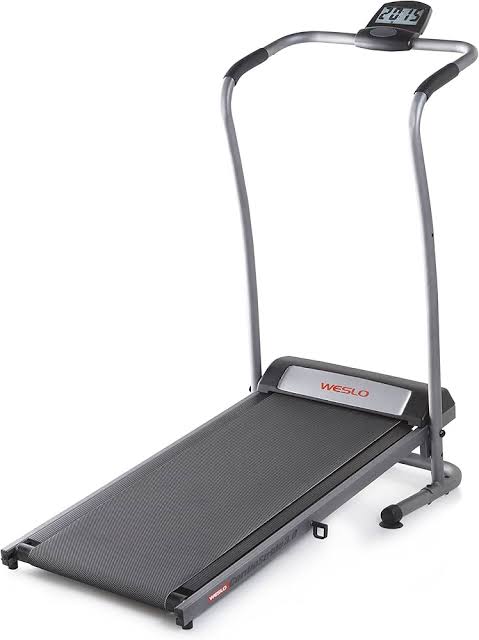
If you’re just getting started and want something simple that won’t break the bank, the Weslo CardioStride gets the job done. It gives you up to a 15% incline-which is pretty great for the price-so your walking workouts can actually feel like a challenge.
The 2.0 CHP motor is built for steady walks, not sprints, but it’s steady enough for daily cardio. With a top speed of 10 mph, you’ll have space to push yourself a bit as you build stamina.
Now, the cushioning is pretty basic-it’s not made for hard, long-distance runs. But if you’re here for brisk walks and some uphill effort, you’re set. The treadmill’s footprint is compact at 64″ x 29″, so it’ll fit in a smaller room without any trouble.
What you see is what you get with this one. There’s no fancy tech, no complicated bells and whistles-just the basics. If you’re a beginner or trying to save some cash, that’s the real appeal. You get a straightforward way to work incline walks into your routine, all without spending too much.
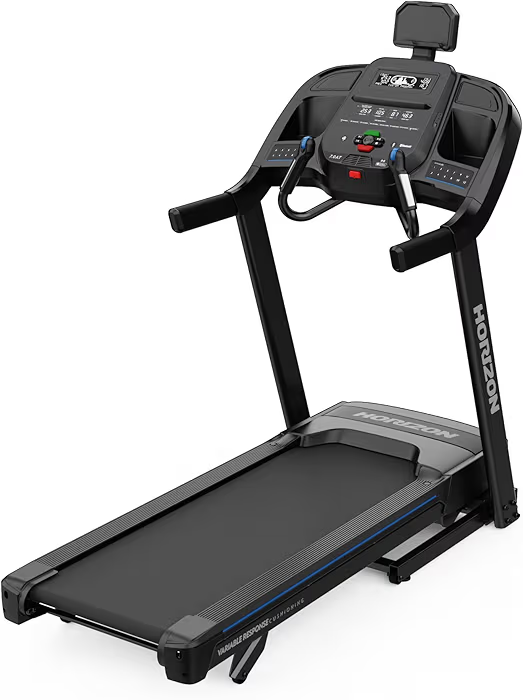
The Horizon 7.0 AT was made for interval training. Its Rapid Sync 3.0 CHP motor delivers steady power, so switching from flat roads to steep hills feels smooth every time. The treadmill’s 0-15% incline range covers everything-from hill sprints to endurance runs or those tough, fat-burning sessions at home.
Speed changes are just as quick. You can go anywhere from a slow 0.5 MPH walk to a 12 MPH sprint without any lag, so you can shift between slow walks and fast runs without missing a beat.
What stands out, though, is how simple it all feels. The QuickDial controls are easy to reach and use, letting you tweak speed and incline instantly-no fumbling through menus. Add in the 3-Zone Variable cushioning and you get a deck that feels comfortable but still supportive, even during long intervals or back-to-back workouts.
With a footprint of 76″ x 35″ x 67″, it fits nicely in most homes. And for a treadmill in the mid-range price bracket, it punches above its weight. If you’re a runner or you love HIIT and want reliable performance at home, this one’s a smart pick.
Best for: HIIT workouts and incline-heavy running routines
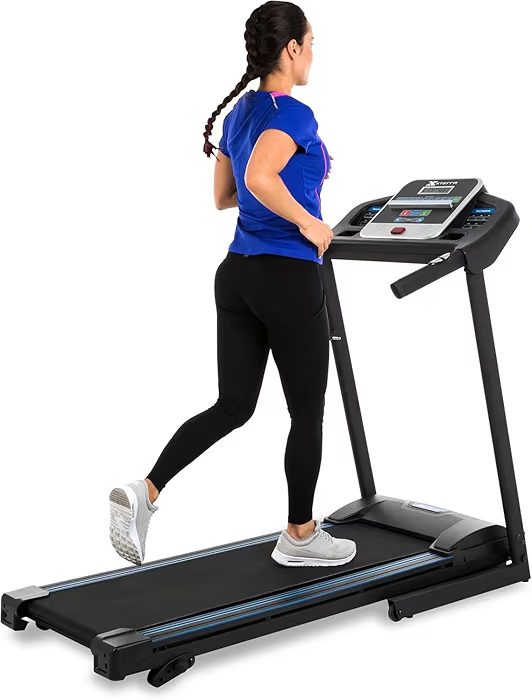
If you don’t have much room to work with, the Xterra TR150 just makes sense. It’s straightforward, nothing flashy, and does exactly what you need. You get three manual incline options-enough to boost resistance and keep your legs working on your daily walks.
The motor’s 2.25 HP and it tops out at 10 mph. That’s plenty for walking or light jogs. Serious runners will probably want something bigger, but honestly, this treadmill’s sweet spot is exactly those steady sessions. Plus, the Xtrasoft cushioning cuts down on impact, which your joints will thank you for on longer workouts.
It’s pretty compact, too-just over five feet long and a little more than two feet wide. You can put it in a small room or an apartment without it dominating the space. At a mid-range price, it’s a strong option if what you want is no-nonsense, effective cardio and you don’t need to break any speed records.
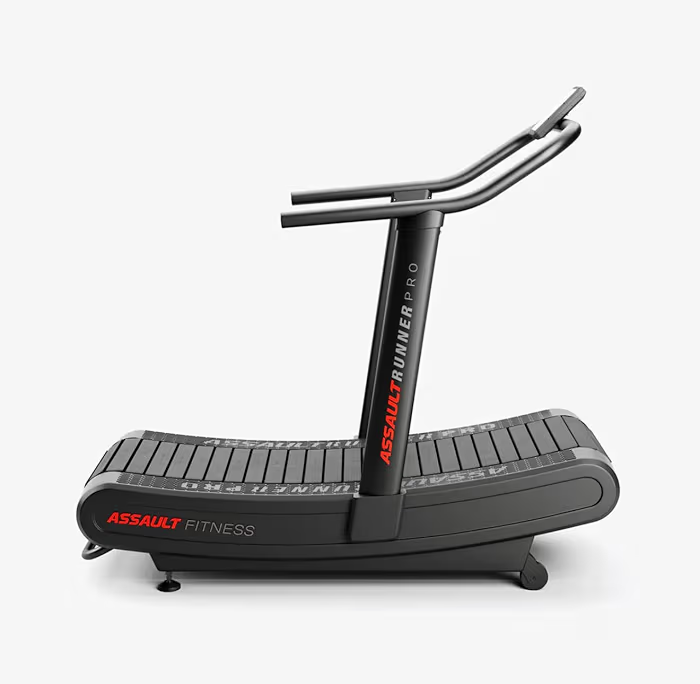
If you want to take your lower-body and incline workouts to the next level at home, the AssaultRunner Pro truly delivers on intensity. It’s a fully manual treadmill, so there’s no motor to set the pace-you push as hard and as fast as you want. The 0-40% incline is no joke either; most home treadmills don’t even come close to that kind of slope.
Since you’re the engine here, you’ll really feel your glutes, hamstrings and calves firing with every step. The curved slat deck pushes you to run more naturally and work harder without even realizing it.There’s no speed cap, so you can use it for explosive sprints or crank up the incline for an uphill walk that burns. And since the machine doesn’t need to be plugged in, you can set it up wherever you have space-no need to hunt for a free outlet.
This treadmill isn’t for beginners. It’s geared toward experienced runners or anyone ready for a tough, gym-level incline challenge at home.
Let’s be honest-when you look at the specs, the Peloton Tread blends in. It’s got a 3.0 HP motor, goes up to 12.5 mph and offers a solid incline range. Nothing wild there. You’d expect this kind of setup for the price.
But the real difference? It’s the way Peloton handles the whole workout. That big screen, the smart training features and the live classes take almost all the guesswork out of exercising. You don’t have to mess with settings or wonder if you’re doing enough-it just all happens right in front of you.
This kind of simplicity makes sticking to a routine way easier than you’d think. And even though this is a high-end machine, its footprint is pretty reasonable, so it fits in most homes without dominating the space.
Bottom line: you’re not just buying a treadmill. You’re getting a system that actually makes you want to use it, day after day.
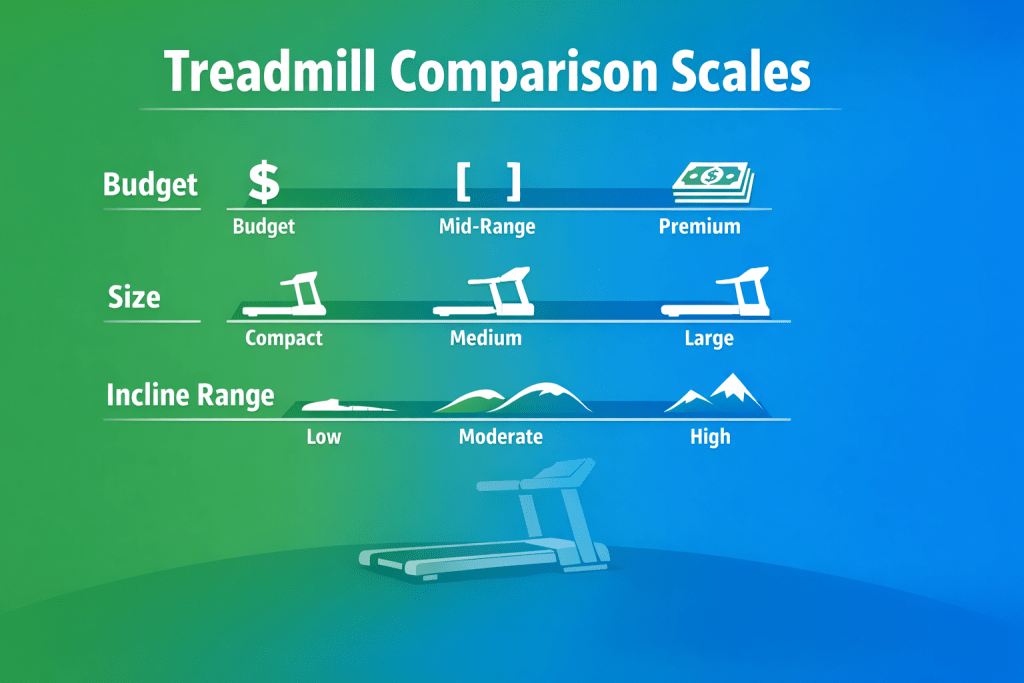
| Model | Incline Range | Motor (CHP) | Max Speed | Cushioning | Footprint | Price | Best Use |
|---|---|---|---|---|---|---|---|
| NordicTrack 1750 | -3% to 12% | 4.25 CHP | 0–12 MPH | Runners Flex | 77.3” x 37” | $$$$ | All-purpose / Fat Loss |
| Weslo CardioStride | 15% | 2.0 CHP | 10 MPH | Basic | 64″ x 29″ | $ | Walking / Budget |
| Horizon 7.0 AT | 0–15% | 3.0 CHP | 0.5–12 MPH | 3-Zone Variable | 76” x 35” | $$$ | HIIT / Running |
| Xterra TR150 | 3 Levels (Manual) | 2.25 HP | 10 MPH | Xtrasoft | 63.4″ x 28.75″ | $$ | Compact / Apartments |
| AssaultRunner Pro | 0–40% | Self-powered | Unlimited | Curved Slat | 67″ x 35″ | $$$$$ | Advanced / High Incline |
| Peloton Tread | 0–12.5% | 3.0 HP | 0–12.5 MPH | Smart Training | 68” x 33” | $$$$$ | Interactive Training |
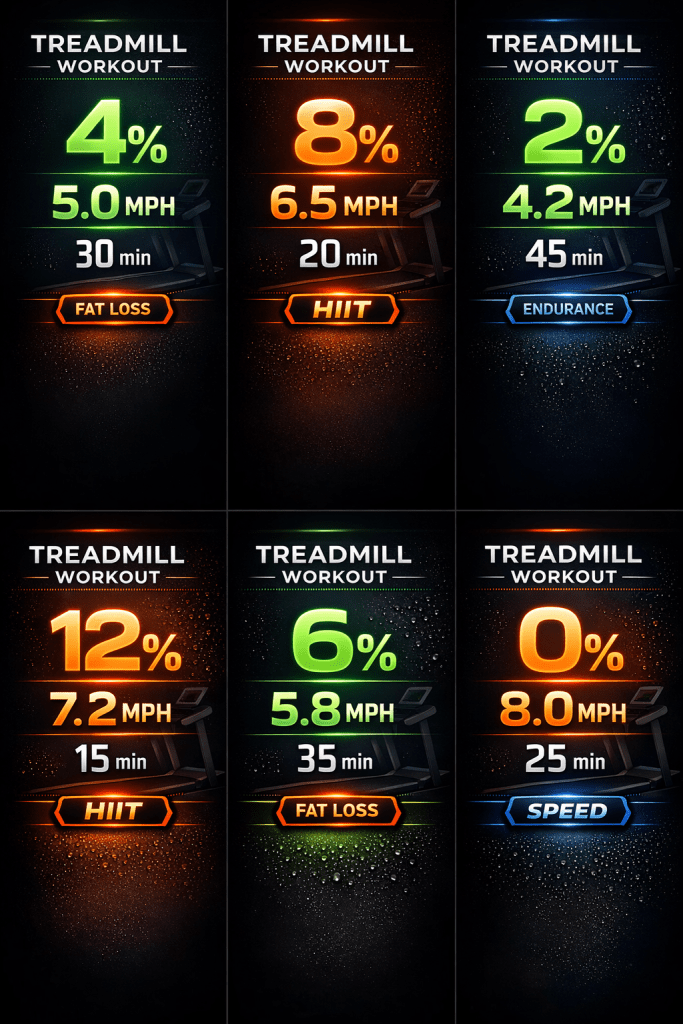
Fat Loss Steady-State: Set the treadmill to a 6-8% incline, walk at 3.5 to 4.0 mph and keep it going for 45 minutes. Aim for your heart rate to sit around 60-70% of your max-the sweet spot for burning fat, according to Biology Insights.
Hill HIIT Protocol: Here’s how it goes-push hard for 2 minutes at a 12% incline and 4.5 mph, then dial it back for 90 seconds at a 2% incline and 3.0 mph. Go through this loop 8 to 10 times. These tough intervals get your growth hormone pumping and the short recovery breaks keep your heart in the game.
Beginner Progressive Overload: For the first week, start easy at a 2% incline and 3.0 mph, just 20 minutes. Every week, bump up either the incline by 1% or tack on another 5 minutes-but don’t do both at once. That keeps overuse injuries at bay.
Advanced Endurance: Want a real challenge? Strap on a weighted vest (10-15 lbs), set the incline to 10-15%, keep it at 3.0 mph and go for 90 minutes. It’s basically like hiking uphill with a pack. Your heart and lungs will feel the altitude effect, even indoors.
• Monday: Hill HIIT (25 minutes)
• Tuesday: Flat recovery walk (30 minutes)
• Wednesday: Steady-state incline (45 minutes)
• Thursday: Rest/Light yoga
• Friday: Pyramid intervals (progress incline 0-12-0% over 30 minutes)
• Saturday: Long endurance hike simulation (60+ minutes)
Even though walking on an incline has clear benefits, you can lose all of that if your form is off. Both Prevention magazine and exercise physiologists point out some common mistakes:
The Death Grip: If you hold onto the side rails, your upper body takes over-so you burn up to 20% fewer calories and your core sits the whole workout out. Instead, let your arms swing naturally. Only grab the safety clip if you really need to steady yourself.
Gradient Shock: Jumping straight into a steep incline or sprint is basically begging for calf strains or Achilles issues. Start flat (0% incline) for about five minutes. After that, bump it up slowly-think 1% more each minute until you hit your real workout level.
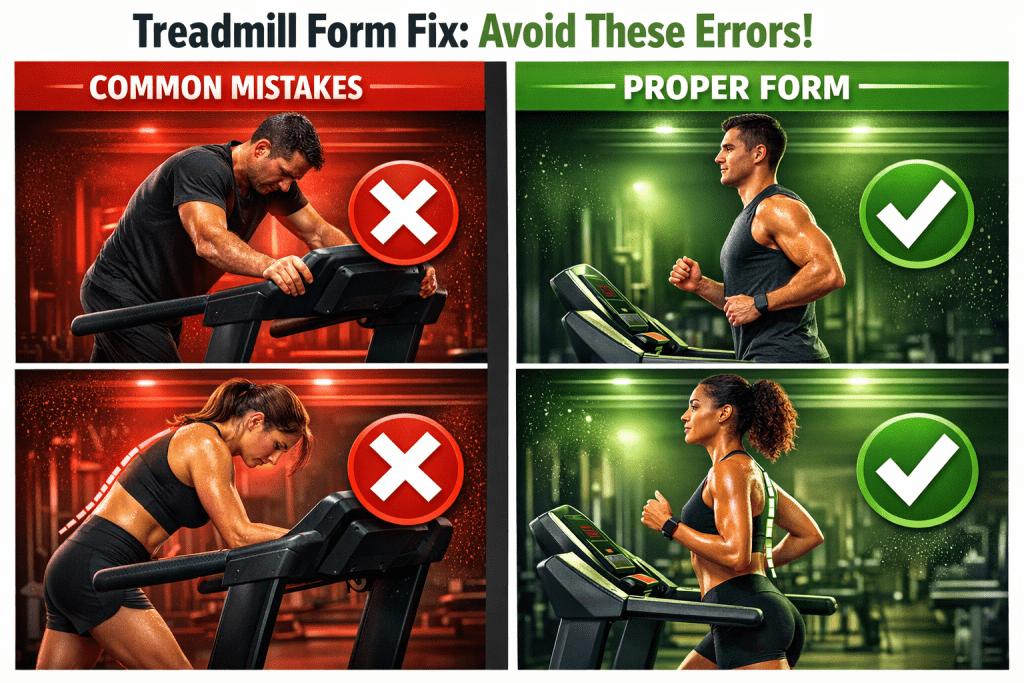
Postural Collapse: If you spend the workout staring down at the console, your spine rounds and your breathing tanks. Keep your gaze forward, shoulders back and let your spinal muscles support your body as you climb.
Calorie Overestimation: Treadmill displays usually overshoot calories burned by as much as 20%. Trust a heart rate monitor or check how hard you’re working (aim for a 7-8 on the RPE scale for fat loss or a 9 for interval training). Don’t just go by what the console thinks.
Skipping the Warm-Up: If you hop right into incline walking without any prep, your feet and legs take the hit-especially your plantar fascia and posterior chain. To avoid tendonitis, spend a few minutes on dynamic moves like leg swings and ankle circles before you get started.
When allocating limited home real estate, understanding the physiological and spatial trade-offs is crucial:
The debate between incline treadmills and walking pads really comes down to what you want out of your workout. Walking pads are great for keeping you moving while you work at your desk-they’re perfect for those small bursts of activity that add up, known as NEAT. But if you’re after a serious workout that gets your heart pumping and your muscles working, a walking pad just can’t match an incline treadmill. Regular treadmills let you change up the speed, which is nice, but walking on an incline is much more efficient when it comes to burning fat without putting too much strain on your joints.
If your main goal is just to sit less during work calls and boost your daily movement (that’s NEAT), then a walking pad does the trick. It keeps your legs moving and fits right under your desk. But if you care more about running performance-real speed work-a traditional treadmill with good cushioning is a better match. Now, the incline treadmill sits in the middle. It gives you the best bang for your buck in terms of calorie burn without pounding your joints, which matters a lot if you’re over 30 and trying to stay lean but not beat up your knees.
So, it’s all about what you really want from your workout. Walking pads are awesome for squeezing in extra steps during office hours, but they just don’t cut it if you want a challenging workout. With a standard treadmill, you can adjust the speed, so sprints and intervals are possible. But when it comes to burning fat and taking it easy on your joints, walking uphill on an incline treadmill wins-especially if you’re looking for efficiency without the wear and tear.
Can an incline treadmill help reduce belly fat specifically?
Spot reduction just doesn’t happen-your body won’t burn fat from one specific area just because you work it. Still, incline walking burns a lot of calories and sets up your body to lose fat overall, including the stubborn visceral fat around your belly. Even after you step off the treadmill, your body keeps burning extra calories for hours, thanks to something called EPOC or excess post-exercise oxygen consumption. This keeps that fat-burning process rolling well after your workout ends.
What is the best incline percentage for weight loss (8-12%)?
If you’re aiming to lose weight, an incline of 8-12% on the treadmill hits the sweet spot. It pushes you hard enough to burn more calories, but not so much that you can’t stick with it for long. Once you go higher, like 15%, most people struggle to keep going long enough to make a real difference. So, start out at 8% for 20 minutes. As you get stronger, bump it up toward 12%. That way, you keep challenging yourself without burning out.
Is 15% incline enough for home training?
Fifteen percent grade is enough for 95% of the home user market to get a meaningful challenge from the walking protocols and muscle activation. Only advanced athletes who are specifically training for an event that involves hiking or stair climbing will need the 40% grade that some specialized units, like the AssaultRunner, can achieve.
Are incline treadmills suitable for beginners?
Definitely. The lower impact means that it’s safer for someone who is not fit to do this than running. New people should begin with an incline of 2-3% and then up it by 1% each week so that the tendons in the back can get used to moving differently.
How long should I walk on an incline treadmill for results?
The least amount of exercise that can still be effective would be 150 minutes per week at a moderate intensity with a 6-8% incline or 75 minutes at a vigorous intensity with a 10-12% incline. It is best to break this down into 30 minute sessions for better results and recovery.
Can I use an incline treadmill in a small apartment?
Yes, it is true that Xterra TR150 or Weslo CardioStride folding models take up less than 4 feet of floor space when stored in the vertical position. Make sure the ceiling height is sufficient for your height plus 15 inches (incline adds vertical displacement).
This guide on the best incline treadmills for home is based on a combination of exercise science research, expert reviews, and product analysis. We focused on identifying how incline training affects fat loss, muscle activation, and overall performance to ensure recommendations align with real-world results.
The right incline treadmill for your home does more than save space-it actually makes your workouts more effective. Walking or running on an incline pushes your muscles harder and lets you get more out of each minute you spend exercising, all without pounding your joints. Take the NordicTrack 1750, which packs in data feedback and smart features or the Xterra TR150, which keeps things simple and compact. Whichever you go for, adding incline training to your routine speeds up fat loss and boosts muscle definition. Honestly, it’s one of the smartest upgrades you can make to your home fitness setup.


